The Product Is Only Part of the Experience
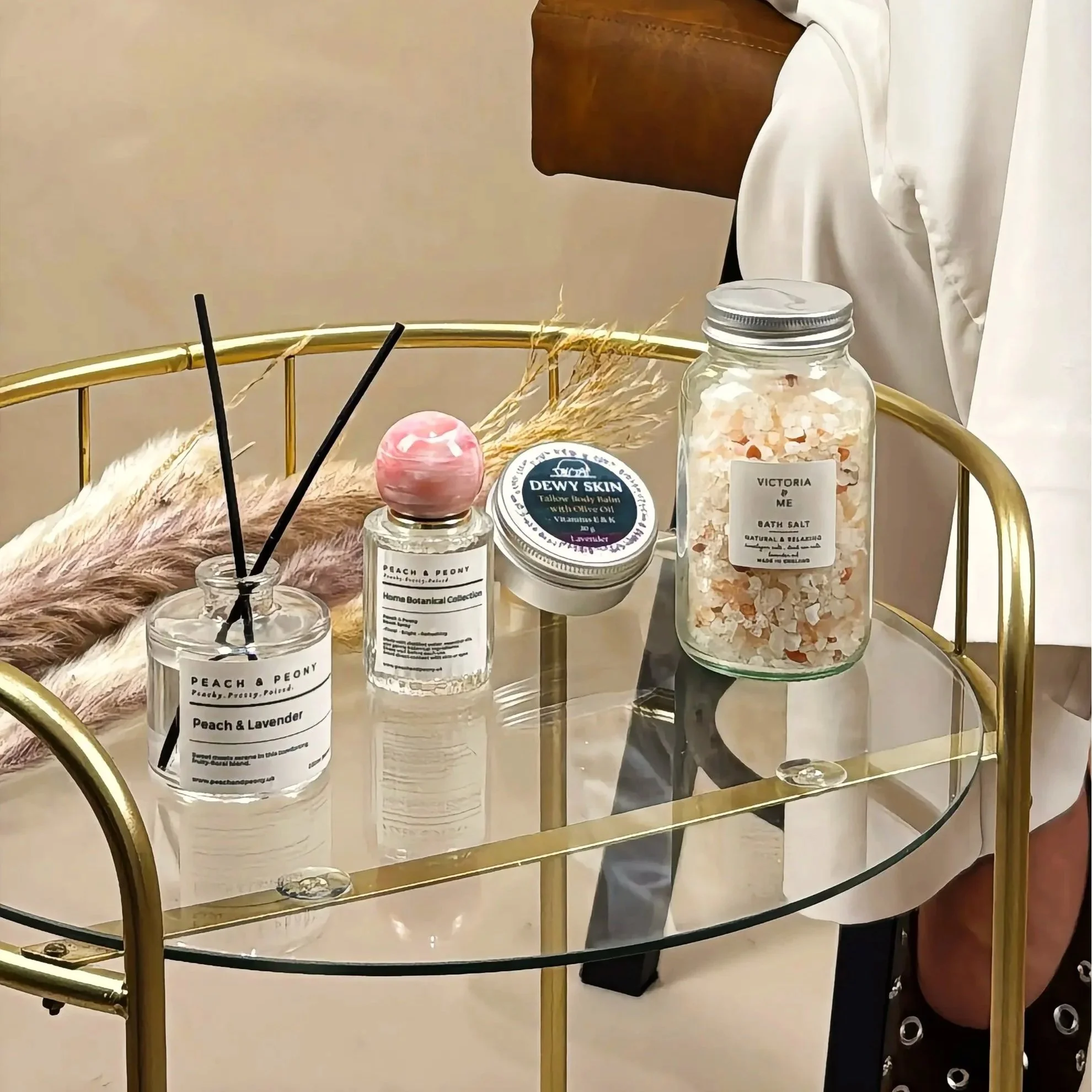
I came across a piece of research recently that made me think differently about what we mean when we talk about independent retail.
Faire’s latest research, conducted across more than 6,000 shoppers in the UK, France and Germany, looked at something that can seem almost secondary to the products themselves: atmosphere.
The findings are striking. 80% of UK shoppers surveyed believe independent shops do atmosphere better than big chains, while 83% say they can immediately recognise when a shopkeeper has invested in the atmosphere of their store. Across the three markets, shoppers who experience the right atmosphere are more likely to return, spend longer in-store and spend more. (faire.com)
At first glance, this sounds like a piece of research about lighting, scent, music and visual merchandising. Look a little closer and it says something more important about the role of independent businesses.
Atmosphere is a form of curation.
When you walk into a thoughtfully considered independent shop, you are rarely experiencing a random collection of products. Someone has made decisions about what deserves to be there, how those products sit beside one another, what you notice first, what you can touch, what you smell and how long you might want to stay. The environment becomes an extension of the person making those decisions.
That matters because the abundance of modern commerce has created a strange problem. Finding products has become remarkably easy while finding meaning within that abundance has become considerably harder.
Online, we can search almost anything, compare hundreds of alternatives and have a product delivered within days. Discovery has become abundant. Curation has become scarce.
This is where independent businesses have an interesting advantage.
Their value is often found in the decisions they make before a customer ever reaches the till. A shopkeeper who chooses one particular candle over twenty others is making a statement about taste. A founder who spends months refining a formulation is making a statement about what matters to them. A business that chooses to work with particular materials, suppliers or production methods is communicating something long before it puts an explanation on its website.
The product carries those decisions with it.
There is a substantial body of retail research behind this idea. Studies into retail atmospherics have found that the physical environment can influence spending behaviour and loyalty, while more recent research has explored how atmosphere can create immersion and emotional responses that subsequently affect purchase intentions and actual purchases. (sciencedirect.com)
What I find particularly interesting about the new Faire research is that it gives this long-standing idea a contemporary context. Independent retail is operating at a moment when consumers have access to more choice than at any point before, yet shoppers are still placing considerable value on places where someone has already done some of the choosing for them.
That may be one of the most important commercial advantages an independent business has.
The future of discovery may not depend on giving people more options. It may depend on giving them better reasons to choose between them.
For Arilique, this is a useful distinction.
The ambition is not simply to put independent businesses in one place. It is to create a marketplace where the thinking behind those businesses remains visible: the founder, the decisions, the purpose and the product itself.
Because when everything is available, the real value may lie in knowing what is worth your attention.
And perhaps that is what good curation has always done. It reduces the noise without reducing the choice that makes discovery exciting.